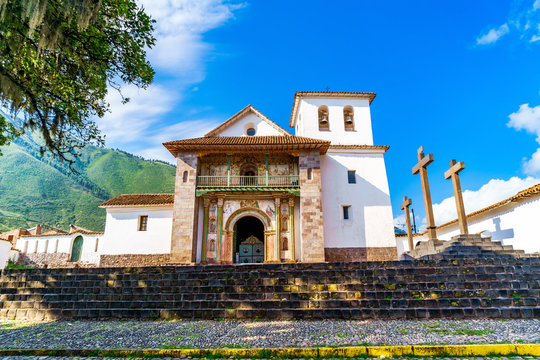
South Valley
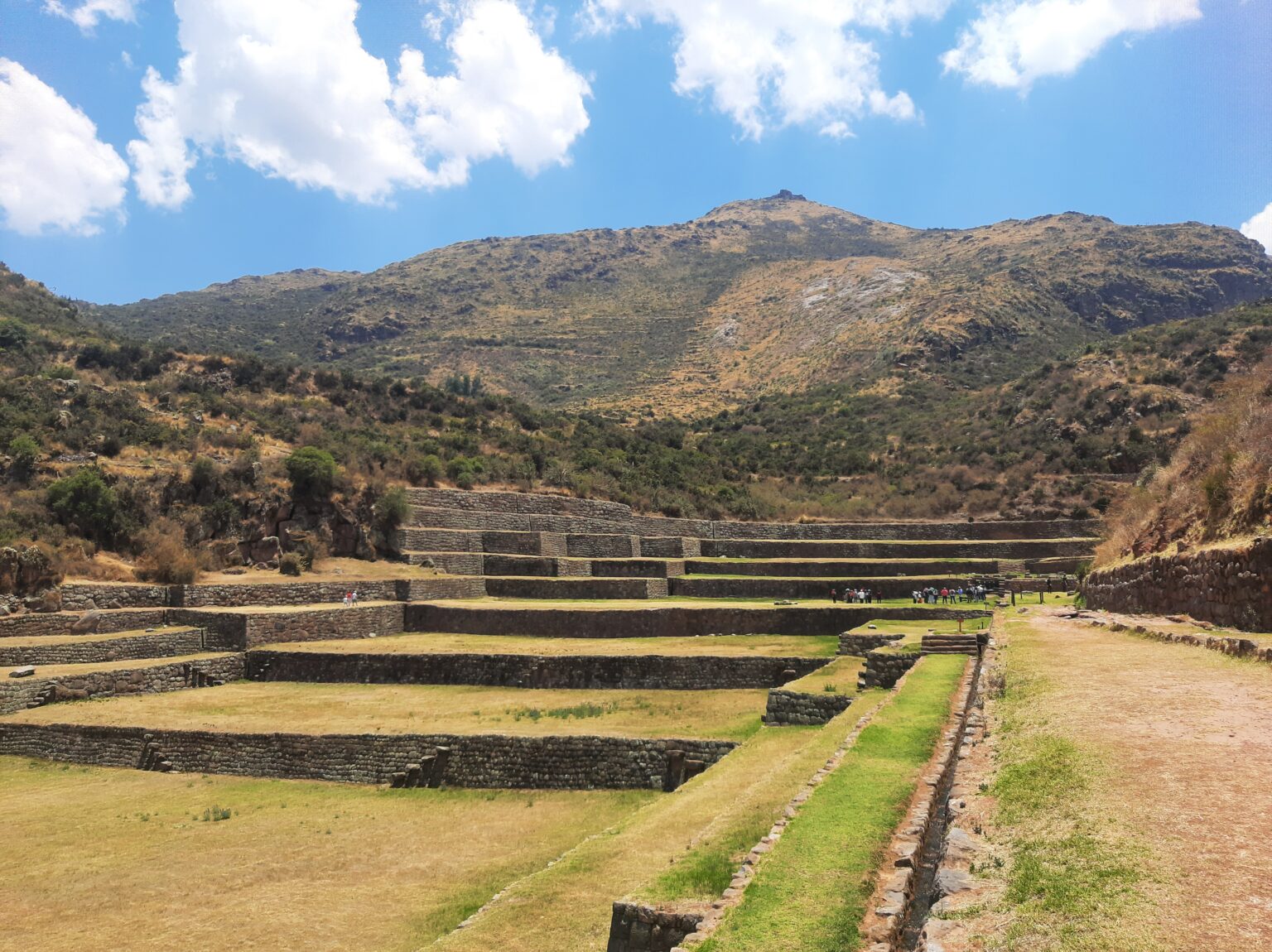
Is half – day tour. Starts with your pick you up from your hotel around 7:00am towards:
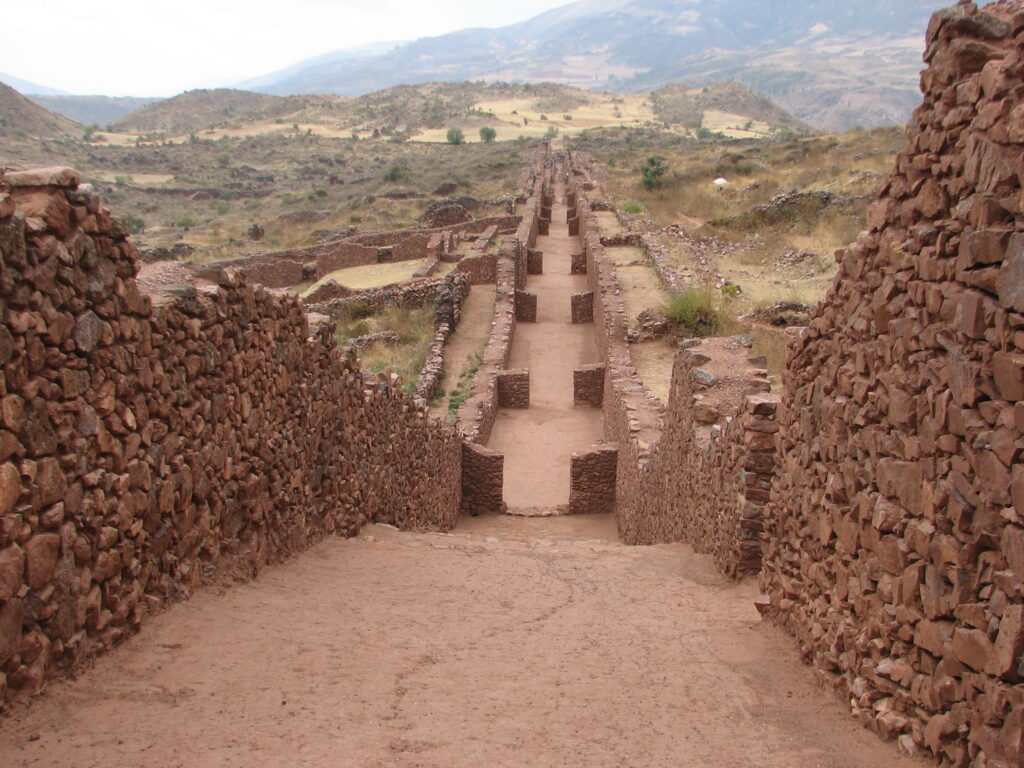
Pikillaqta
Is a major pre-Inca archaeological site in the Cusco region of Peru, located about 30 km southeast of Cusco. It was built by the Wari civilization between approximately 600 and 900 AD and is one of the largest Wari settlements discovered.
The site is known for its carefully planned urban design, featuring straight streets, rectangular enclosures, plazas, and high stone walls. This orderly layout suggests Pikillacta functioned as an administrative and political center, helping the Wari expand their control across the Andes.
Constructed mainly from stone and adobe, Pikillacta shows advanced architectural and organizational skills. Although it was later abandoned, the site provides valuable insight into early Andean urbanism and the influence the Wari culture had on later civilizations, including the Inca.
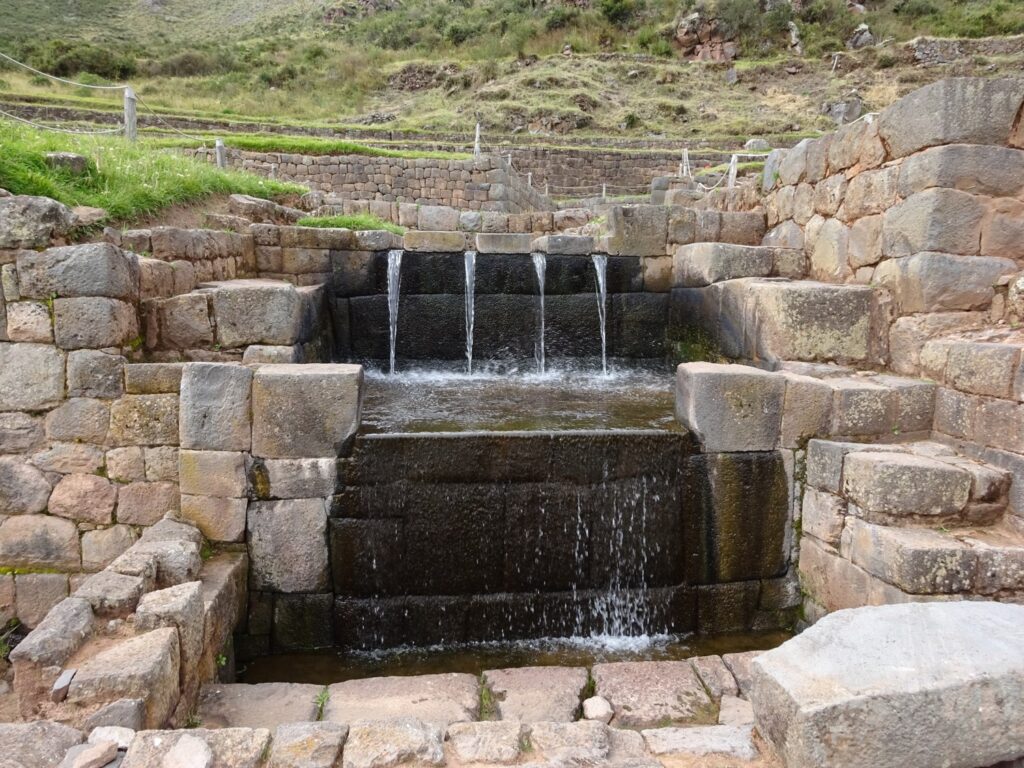
Tipón
Is an important Inca archaeological site located about 25 km southeast of Cusco, near the village of Oropesa in Peru. It is best known for its advanced hydraulic engineering and finely crafted agricultural terraces.
The site is believed to have been a royal estate or ceremonial center, possibly built for the Inca ruler Wiracocha. Tipón features an extensive system of stone canals, fountains, and aqueducts that still function today, demonstrating the Incas’ exceptional knowledge of water management and engineering.
In addition to its hydraulic features, Tipón includes terraces, enclosures, and ceremonial structures, reflecting both practical agricultural use and religious significance. Overall, Tipón offers valuable insight into Inca technology, agriculture, and spiritual life, making it one of the most impressive examples of Inca engineering in the Andes
The Church of San Pedro Apóstol of Andahuaylillas
Is a renowned colonial-era church located in the town of Andahuaylillas, about 40 km southeast of Cusco, Peru. It is often called the “Sistine Chapel of the Andes” because of its richly decorated interior.
Built in the late 16th and early 17th centuries, the church is a prime example of Andean Baroque architecture, blending Spanish Catholic design with indigenous Andean artistic elements. Inside, the walls and ceilings are covered with vibrant frescoes, intricate wood carvings, gilded altars, and religious paintings from the Cusco School of Art.
The church served as an important center for religious conversion and education during the colonial period. Today, it is a cultural and historical landmark that reflects the fusion of European and Andean traditions and is one of the most significant churches in southern Peru.